"You're Just a Backyard Breeder": What That Term Actually Means (And Why It Matters)
Almost every week, someone leaves a comment on one of my posts calling me a backyard breeder. Sometimes it comes with worse names attached. Sometimes it comes with "adopt don't shop" and a lecture about shelter dogs. Sometimes it's just anger with a keyboard behind it.
I used to want to defend myself. Now I want to do something better. I want to educate, because here's what I've realized: most of the people leaving those comments and I actually want the same thing. We want fewer dogs suffering. We want empty shelters. We want dogs in loving homes for their whole lives.
We just disagree on how to get there. And a lot of that disagreement comes from not defining our terms. So let's define them.
What "Backyard Breeder" Actually Means
Backyard breeder is not a term for anyone who breeds dogs at home. If it were, every ethical preservation breeder in America would qualify, because almost none of us operate out of commercial facilities. Our dogs live in our homes and on our properties. That's a feature, not a flaw.
A backyard breeder, in the way the term was originally meant and the way shelter and veterinary professionals still use it, is someone who breeds dogs carelessly. The hallmarks look like this:
No health testing. They breed two dogs because both happen to be intact and cute, with no OFA hip or elbow evaluations, no cardiac clearances, no genetic panels, no eye exams. They have no idea what diseases they might be doubling up on.
No knowledge of genetics. They can't tell you what COI means. They don't understand coefficient of inbreeding, carrier status, or why certain pairings should never happen. They're rolling dice with living animals.
No contracts. Puppies go home with whoever shows up with cash. No screening, no application, no questions about the buyer's home, schedule, or experience.
No safety net. And this is the big one. If that puppy doesn't work out at six months or six years, the breeder is unreachable. That dog's next stop is Craigslist or the shelter.
No accountability to the breed. They aren't tracking outcomes, following up on health, or improving anything. They're producing puppies, not stewarding dogs.
That is backyard breeding. And I'll say this plainly: I'm against it too. Every ethical breeder I know is against it. The people leaving angry comments on my posts and I are actually allies on this point, whether they realize it or not.
What Ethical Breeding Looks Like
Now let me show you the other side, because this is where the education matters. Here's what happens in my program before a single puppy is ever conceived:
Every breeding dog is health tested according to the standards for their breed. For my Cavaliers, that means cardiac evaluations and neurological screening, because heart disease and syringomyelia are the serious concerns in that breed and no honest Cavalier breeder skips them. For my doodle programs, that means genetic panels, structural evaluations, and pairing decisions made around what those tests reveal.
Every pairing is planned around genetics. I manage COI intentionally. I know which dogs carry what. I make breeding decisions based on health data, temperament, and structure, not convenience.
Every buyer is screened. There's an application process. I turn people away. I have told people no more times than I can count, because the right home matters more than the sale.
Every puppy goes home with a contract that includes a health guarantee and a return clause. That return clause is the part I wish every "adopt don't shop" commenter would read, because it says this: if you can ever not keep this dog, at any point in its life, for any reason, it comes back to me. Not to a shelter. Not to Craigslist. Back to me.
My dogs do not end up in shelters. That is not luck. That is contract law and personal commitment, built into every single placement I make.
Where Shelter Dogs Actually Come From
This is the part of the conversation that almost never happens, so let's have it.
Shelter dogs come overwhelmingly from three places: accidental litters from unaltered pets, careless breeding with no screening and no return policy, and owners surrendering dogs they acquired without preparation or support.
Notice what's not on that list. Dogs from programs with health testing, buyer screening, and lifetime return contracts are essentially absent from shelter populations, because the system is designed to make that impossible. When a breeder takes lifetime responsibility for every puppy they produce, those dogs have a safety net for their entire lives.
So when someone says ethical breeders are filling shelters, they're pointing at the wrong target. The dogs filling shelters are the product of exactly the careless breeding that ethical breeders and rescue advocates both oppose. We are on the same side of that problem. The enemy of "adopt don't shop" isn't the health testing breeder with a return clause. It's the person breeding their unaltered pets in the literal backyard with no plan for where those puppies end their lives.
Adopt AND Shop: Why It's Not Either Or
I love rescue. I love the people who do rescue work. Shelter adoption is a beautiful thing and it is the right choice for many families.
It is not the right choice for every family, and pretending otherwise doesn't help dogs.
Some families need predictability. A family with young children, or someone with allergies, or a first time owner without the skills to rehabilitate a dog with an unknown history may genuinely need a puppy with known genetics, known temperament lines, early socialization, and breeder support for life. When that family is shamed out of buying from an ethical breeder, they don't always end up at the shelter. Often they end up buying from exactly the careless sources we all oppose, because those sources ask no questions and apply no shame. Or they adopt a dog that isn't the right fit, struggle, and surrender it, which adds to the shelter problem instead of solving it.
The goal was never "no one buys dogs." The goal is every dog in a stable, prepared, loving home for its whole life. Ethical breeding and rescue are two roads to the same destination.
The Spay and Neuter Conversation Nobody Has Honestly
The other comment I get constantly is outrage that my breeding dogs are intact, or that I don't require pediatric spay and neuter.
Here's what the research actually shows, and this may surprise people: the question of when to spay or neuter is far more nuanced than the blanket messaging suggests. Multiple studies, including large scale research out of UC Davis, have found that early spay and neuter in some breeds is associated with increased rates of joint disorders and certain cancers. Timing matters. Breed and size matter. This is a conversation to have with your veterinarian based on your individual dog, not a moral absolute.
I support responsible sterilization of pet dogs. My puppy contracts address it. But "fix everything immediately" is public health messaging designed for a population level problem of careless breeding. It was never meant to be a scientific statement that intact dogs are inherently a moral failure. My breeding dogs are intact because they're health tested, managed, and never produce an unplanned litter in their lives. That is the opposite of the problem spay and neuter campaigns exist to solve.
Why I Keep My Dogs at Home (And Why That's the Point)
One more thing, because the "backyard" part of "backyard breeder" deserves a response.
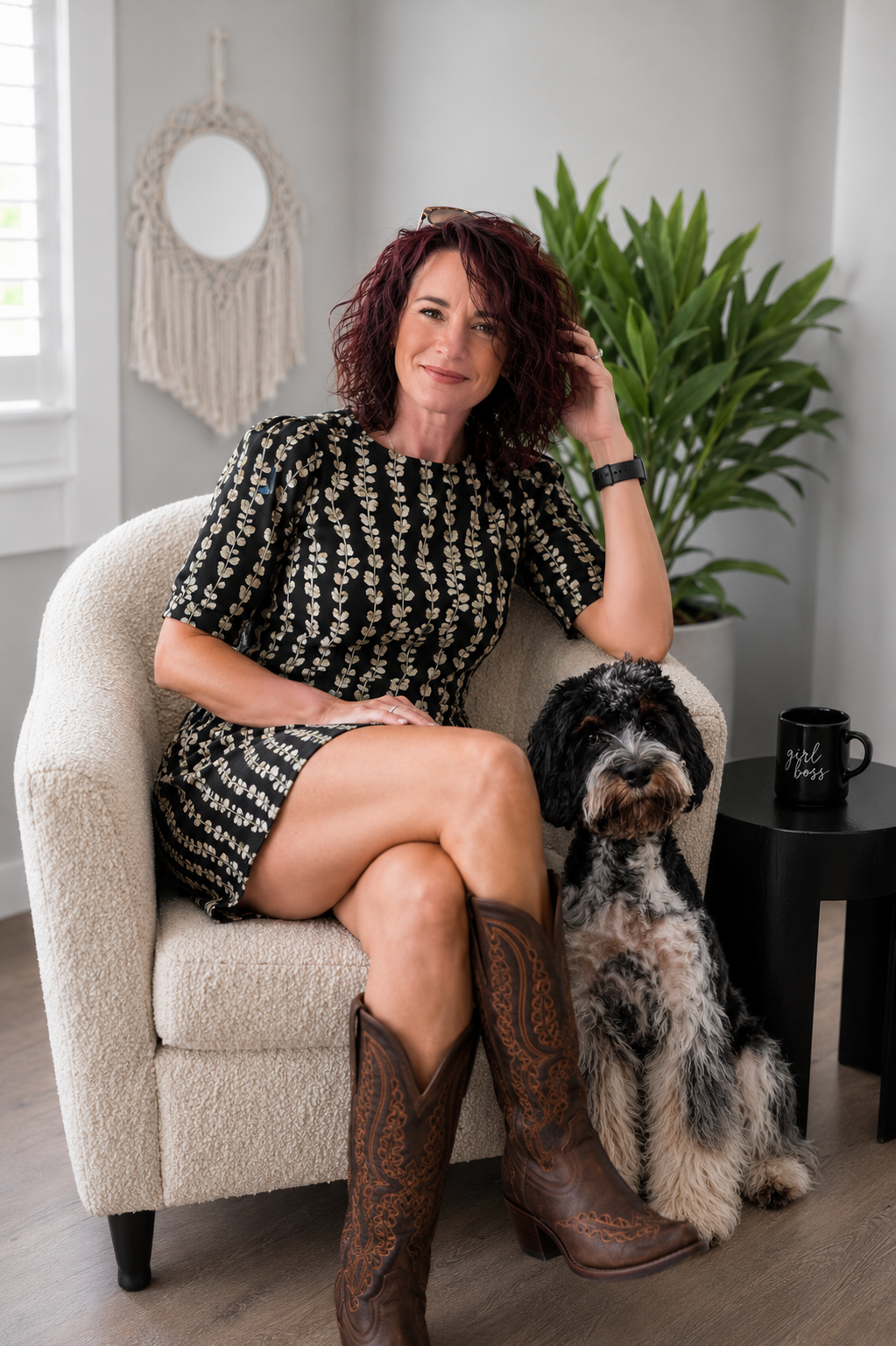
Yes, my dogs live at my home, on our acreage in Idaho, in my house and my life. That is exactly where they should be. The alternative to home raised puppies is commercial facilities, and I don't think anyone in the adopt don't shop movement is advocating for more of those.
Puppies raised in a home, handled daily, exposed to household sounds, kids, other animals, and normal life, are better prepared for family living. The home setting isn't evidence of carelessness. It's a core part of doing this right. The word backyard was never about location. It was always about standards.
Here's the honest truth
I'm not going to pretend the name calling doesn't sting. It does. But I've stopped seeing those comments as attacks and started seeing them as proof of how badly this education is needed.
The dog world doesn't divide into breeders versus rescuers. It divides into careless versus intentional. Careless breeding fills shelters. Intentional breeding, with health testing, screening, contracts, and lifetime return policies, keeps dogs out of them. Rescue work saves the dogs that carelessness left behind. Ethical breeders and rescue advocates are working the same problem from two directions, and every minute we spend fighting each other is a minute we're not spending on the actual problem.
So if you've ever called a breeder like me a backyard breeder, I'm genuinely not angry. But I'd ask you to look at what that term really means, look at what a real program actually does, and then decide whether we're enemies or allies. I think you'll find we want the same thing.
If you have questions about how our program works, our health testing, or our contracts, I'll answer them. All of them. That's what transparency means, and it's the standard every breeder should be held to.